MY QUESTIONS
All the answers to your questions are here.
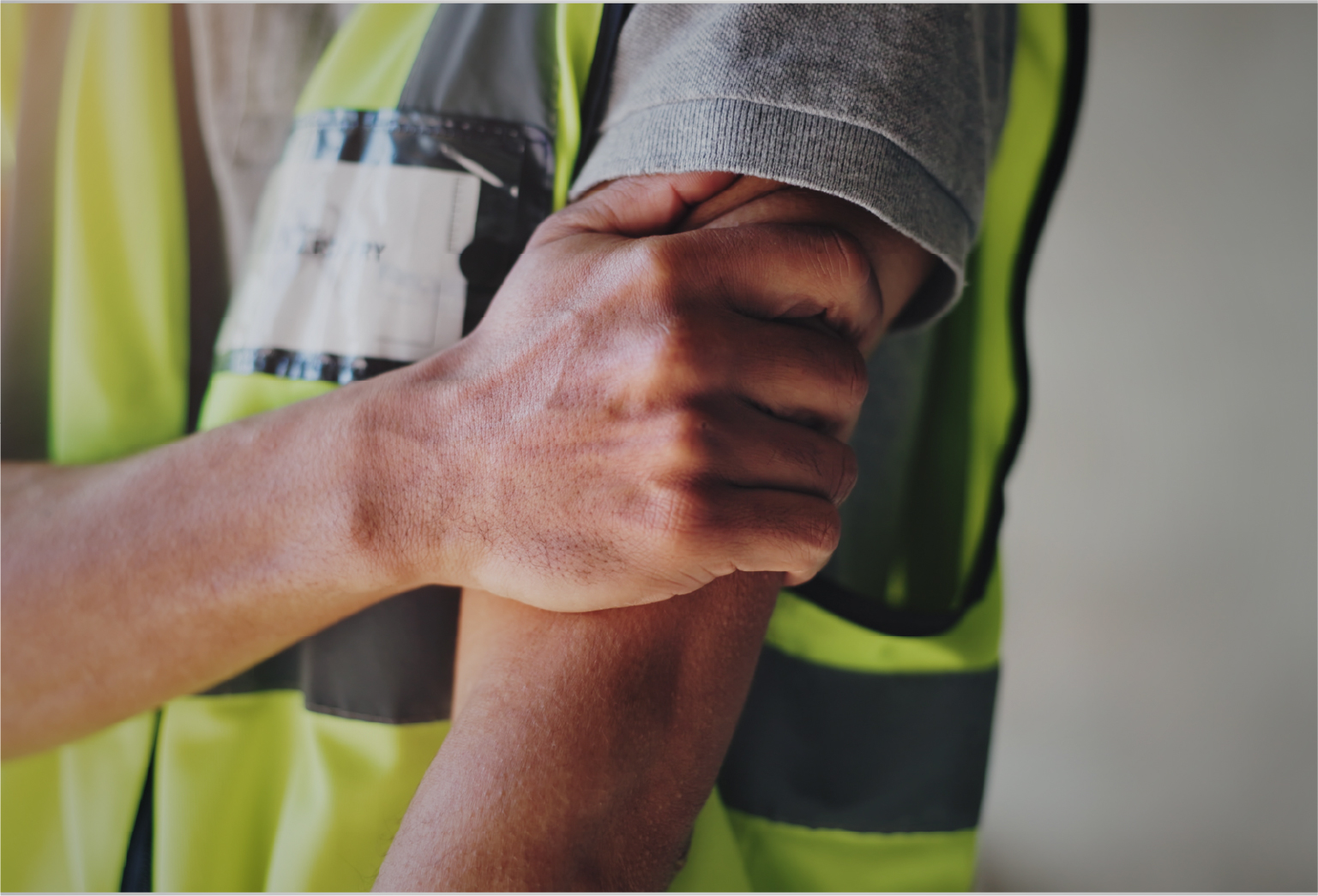

It’s an abbreviation that stands for situations of discrimination, intimidation, or harassment.
It also includes situations of psychological, physical, or verbal violence and a generally unhealthy work environment.

All inappropriate actions, comments, or behaviours that undermine a person’s dignity, integrity, or wellbeing; have a negative effect on a person’s morale or quality of life; or create a hostile, humiliating, or offensive environment are considered DIH situations.
What behaviours can be problematic?
Many behaviours can be considered problematic; for example:
- Offensive, humiliating, or degrading comments
- Repeated “jokes” or remarks targeting a person or a group
- Actions leading to a colleague’s exclusion, isolation, or marginalization
- Threats, intimidation, or hostile gestures
- Talking in an injurious or aggressive way – for example, taking a contemptuous tone, raising the voice, or using words with a harmful impact, even if the intention is claimed to be different
- All forms of discrimination based on personal characteristics (ethnicity, gender, age, disability, etc.)
Give me some examples of DIH situations on the job
- Colleagues ignore you when you try to talk to them. They organize things to leave you the most difficult tasks or give you the wrong directions for performing them. You feel isolated, and that makes your work environment unhealthy.
- A colleague constantly makes comments about your physical appearance and makes inappropriate jokes about you. You have asked that person not to make such comments but he or she continues to do so anyway.
- The supervisor, a colleague, or a journeyperson on the construction site yells at you or constantly raises his or her voice when he or she speaks to you.
- You took a leave of absence to which you had the right to take care of your child. Since then, your employer has told you that he or she no longer needs you on the construction site.
Victim or witness: Does it concern me?
Yes. Whether you are directly affected by or witness to a situation, you have an important role to play. Reporting or discussing a DIH situation can help to prevent escalation and maintain a respectful work environment for everyone.
ACCESS THE RESOURCES